Home Tee Hero V1
Every real golf course as a playable island, for the Approach R10.
- Product Architect
- 2019 to 2023
- Course generation pipeline
- Houdini PDG, Python, VEX, Unity
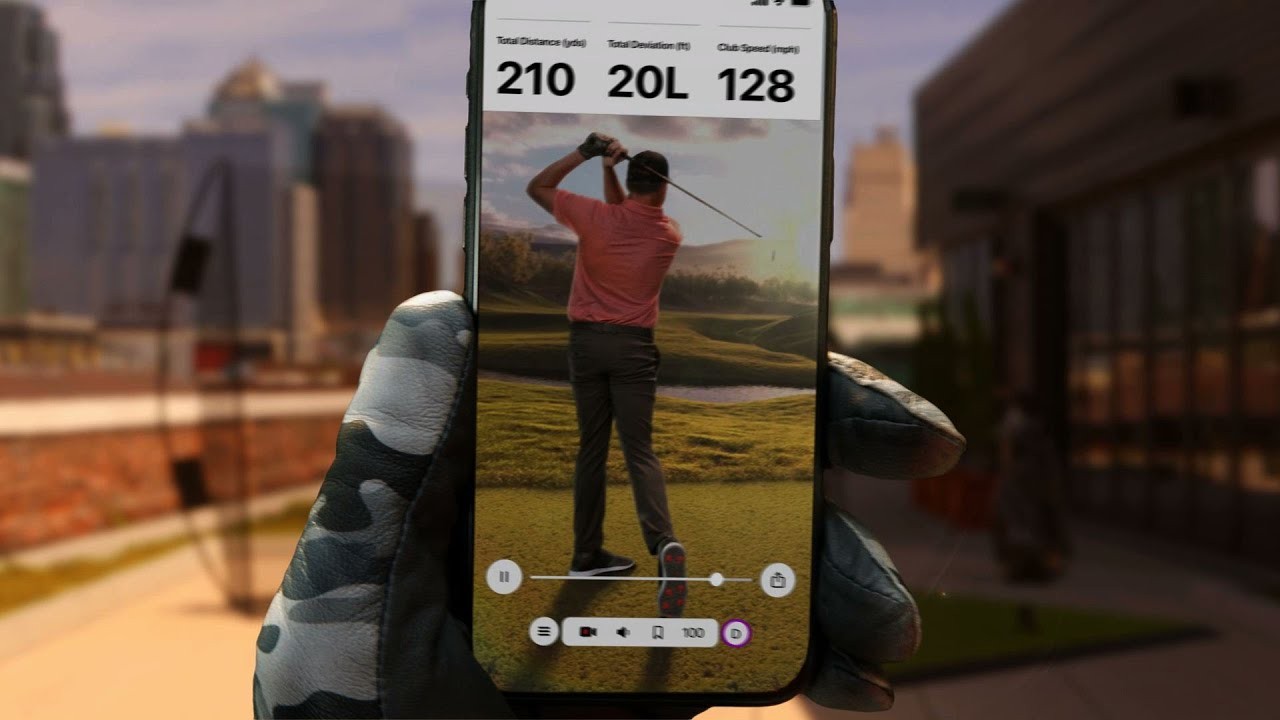
I pitched and prototyped Home Tee Hero inside an internal innovation incubator: play any real golf course at home, on your phone, from a launch monitor.
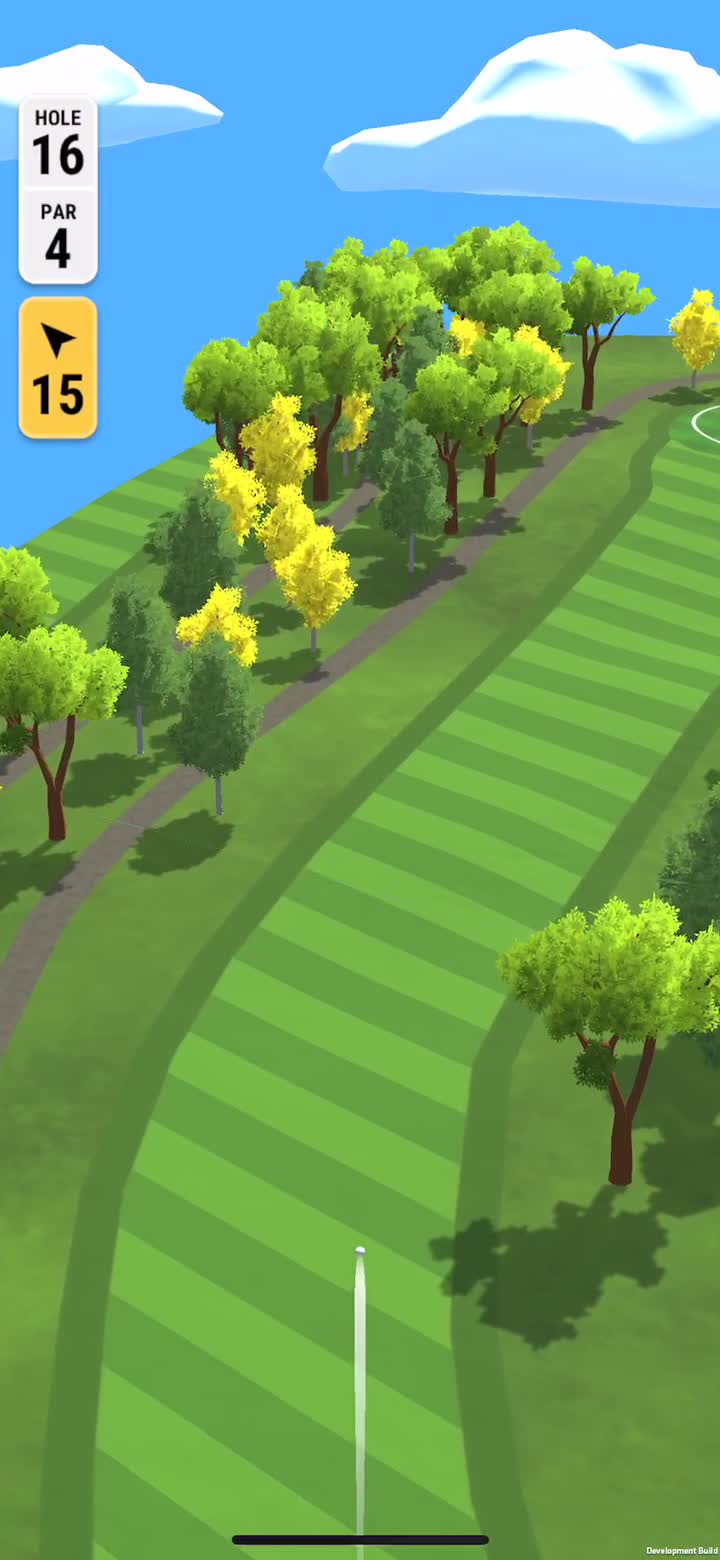
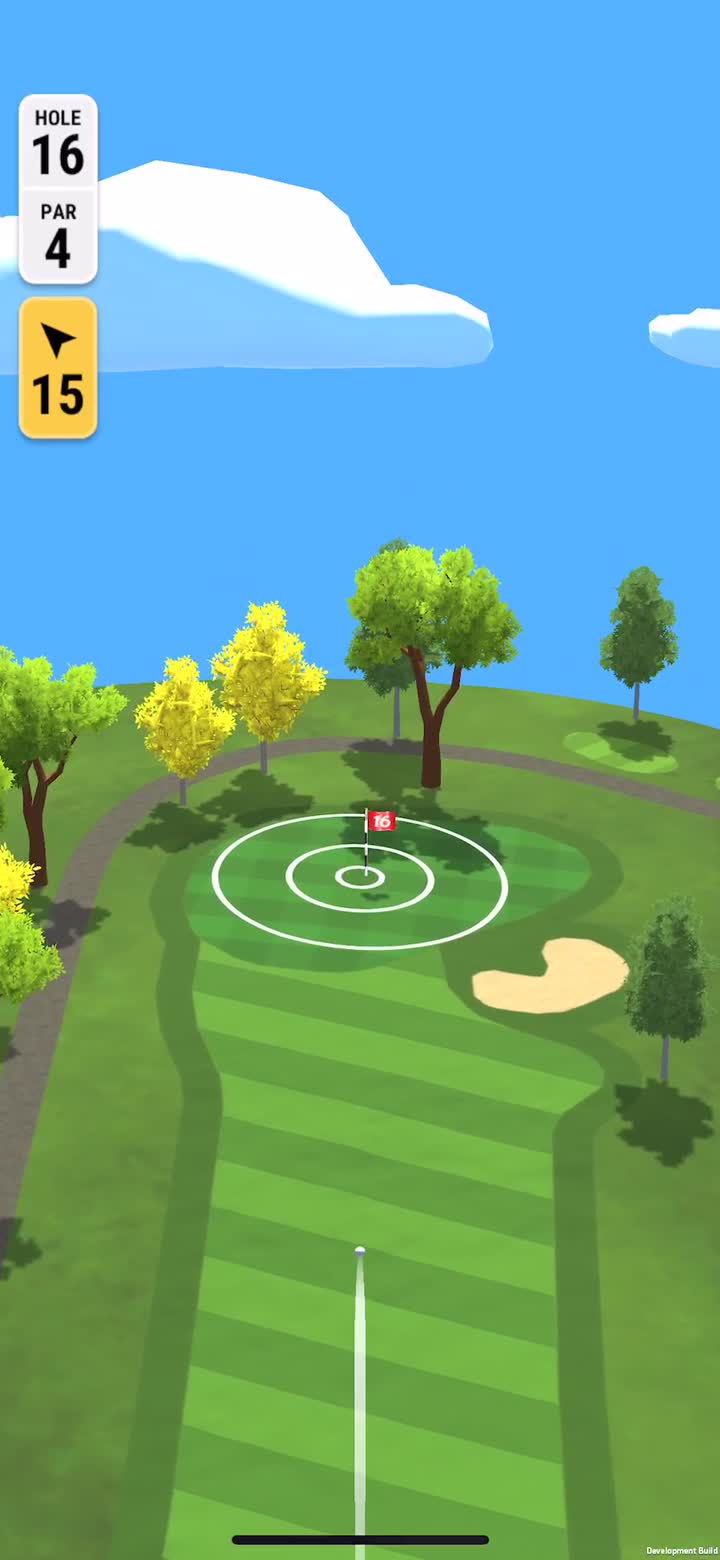
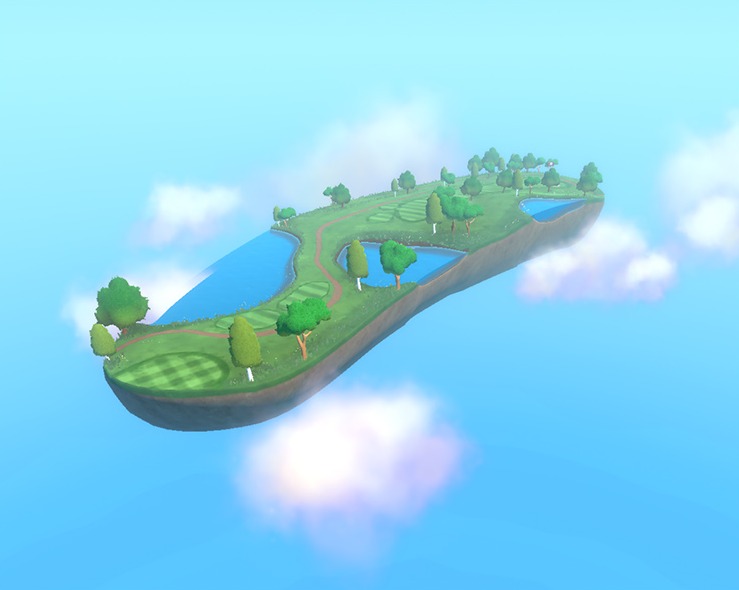
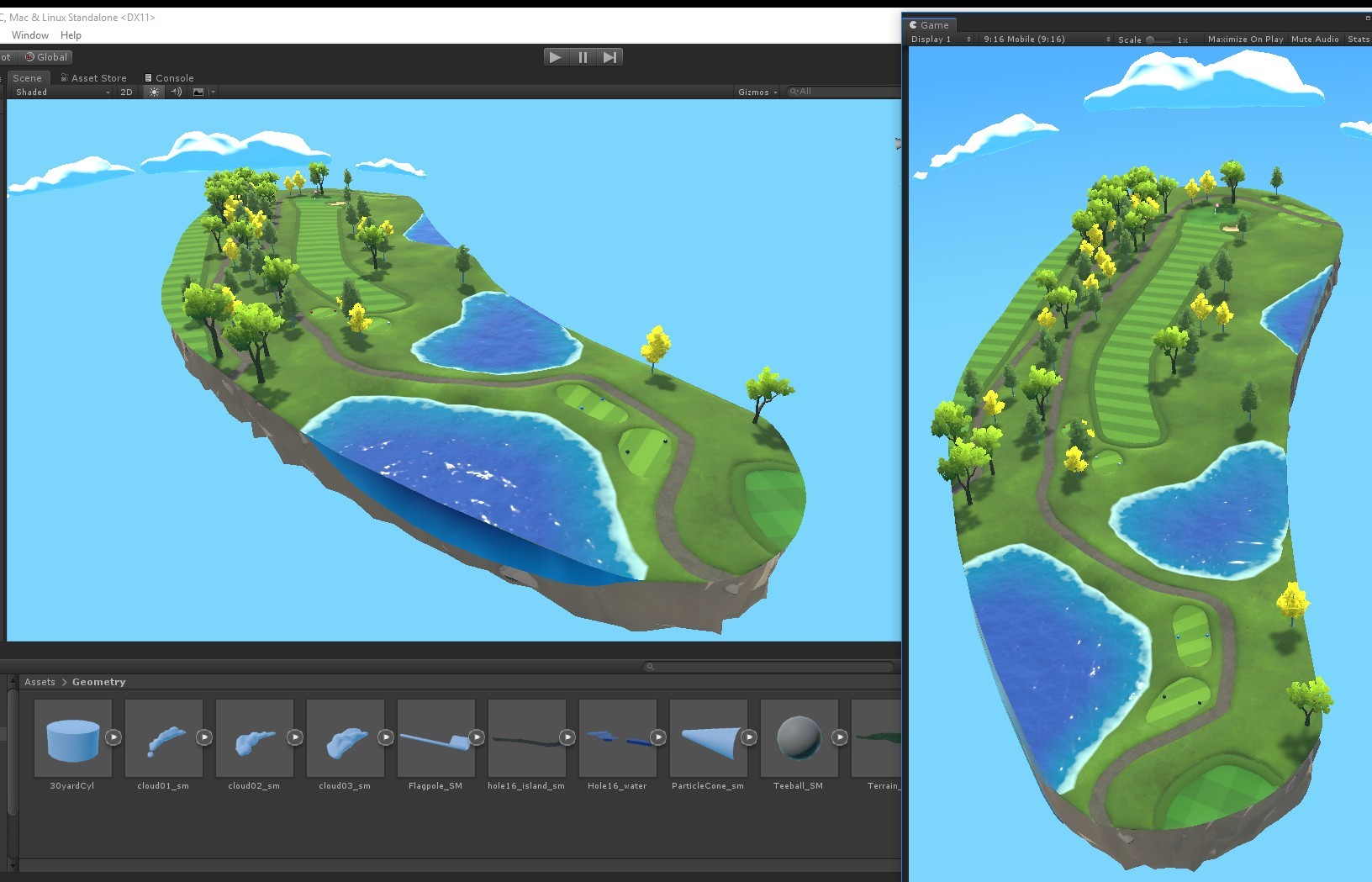
The first version had to run on low-end phones, so each hole became its own small island, seen from above.
The prototype
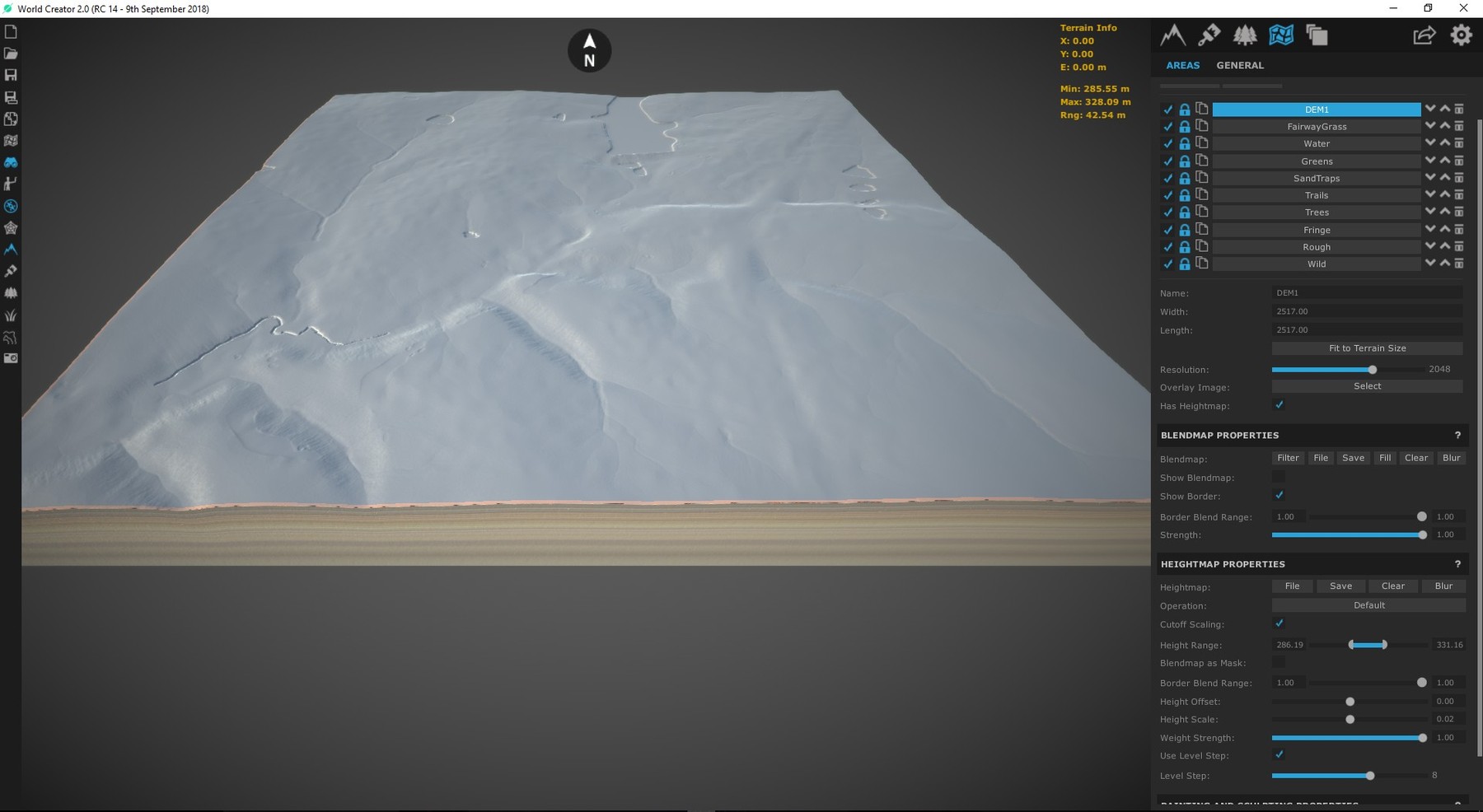
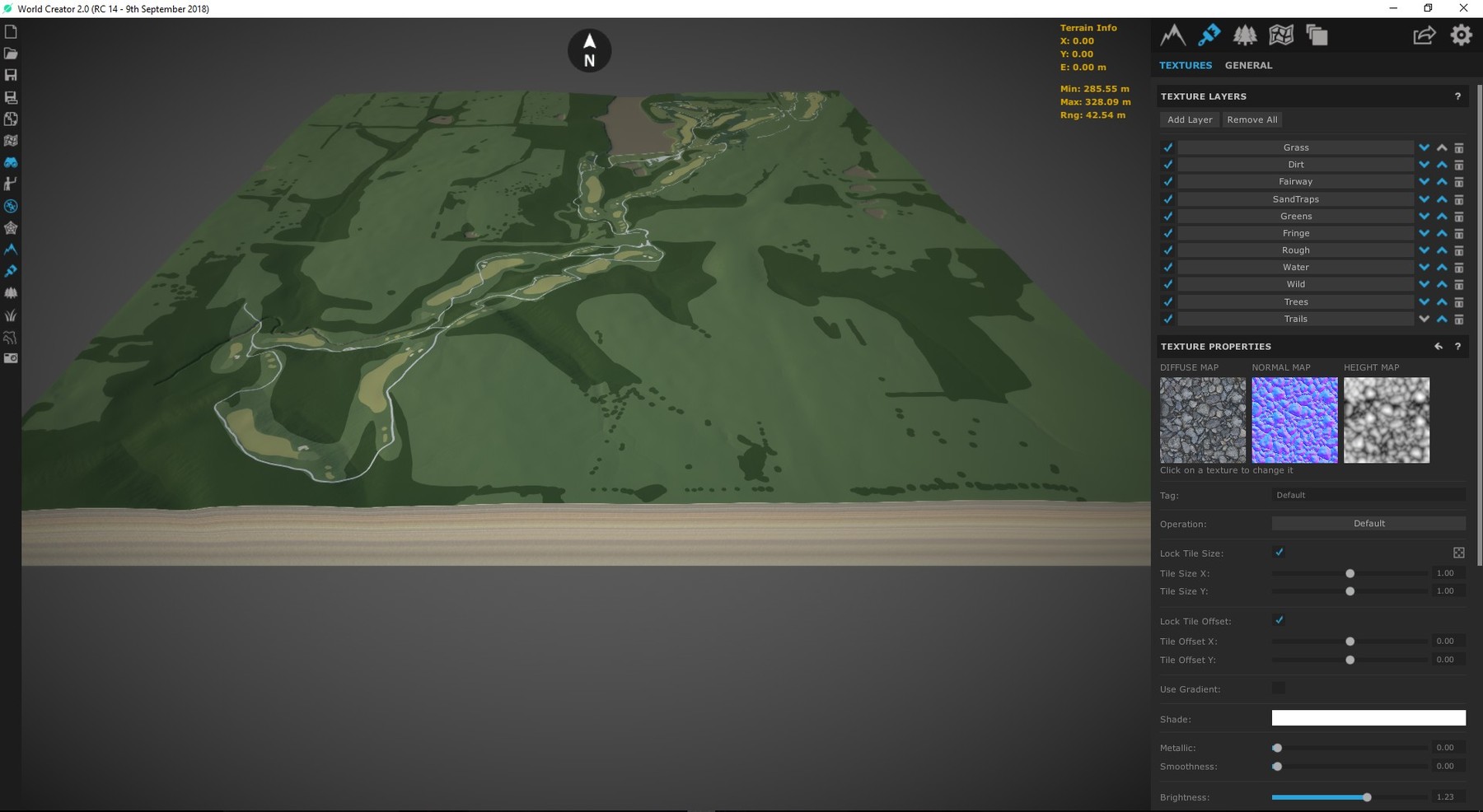
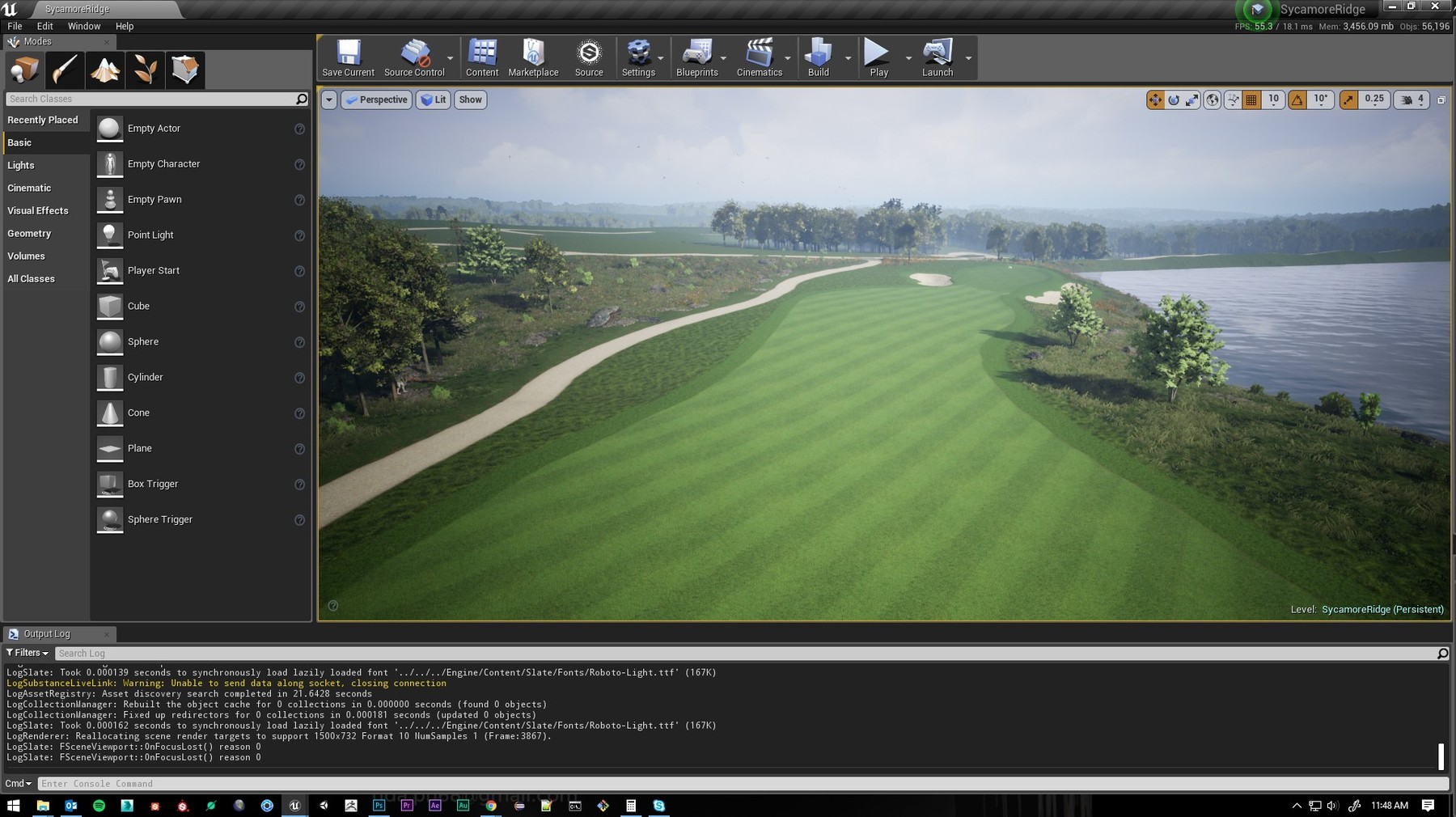
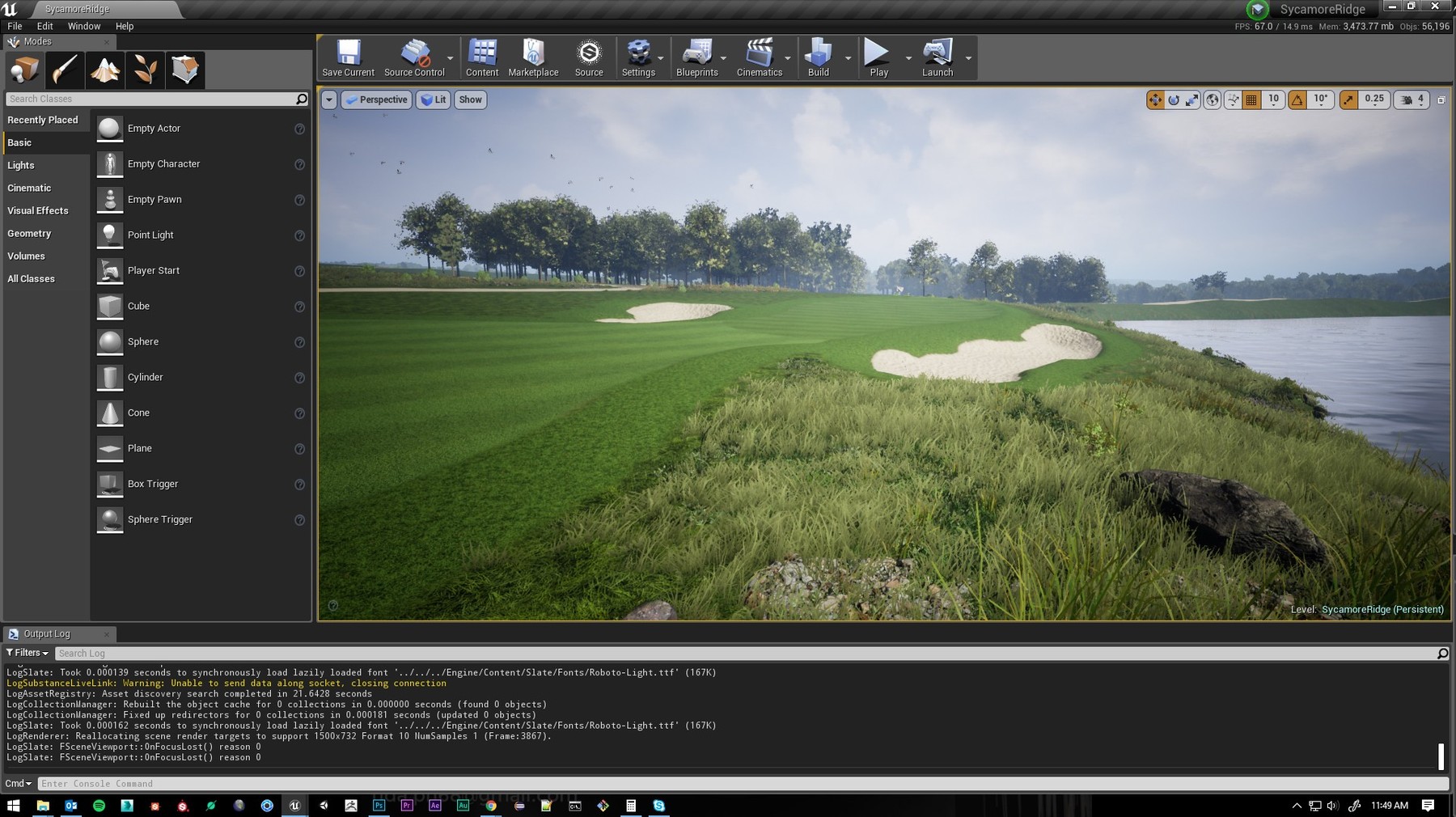
The pitch demo was built by hand in Unreal Engine to prove the idea: take one real course and rebuild it from map data.
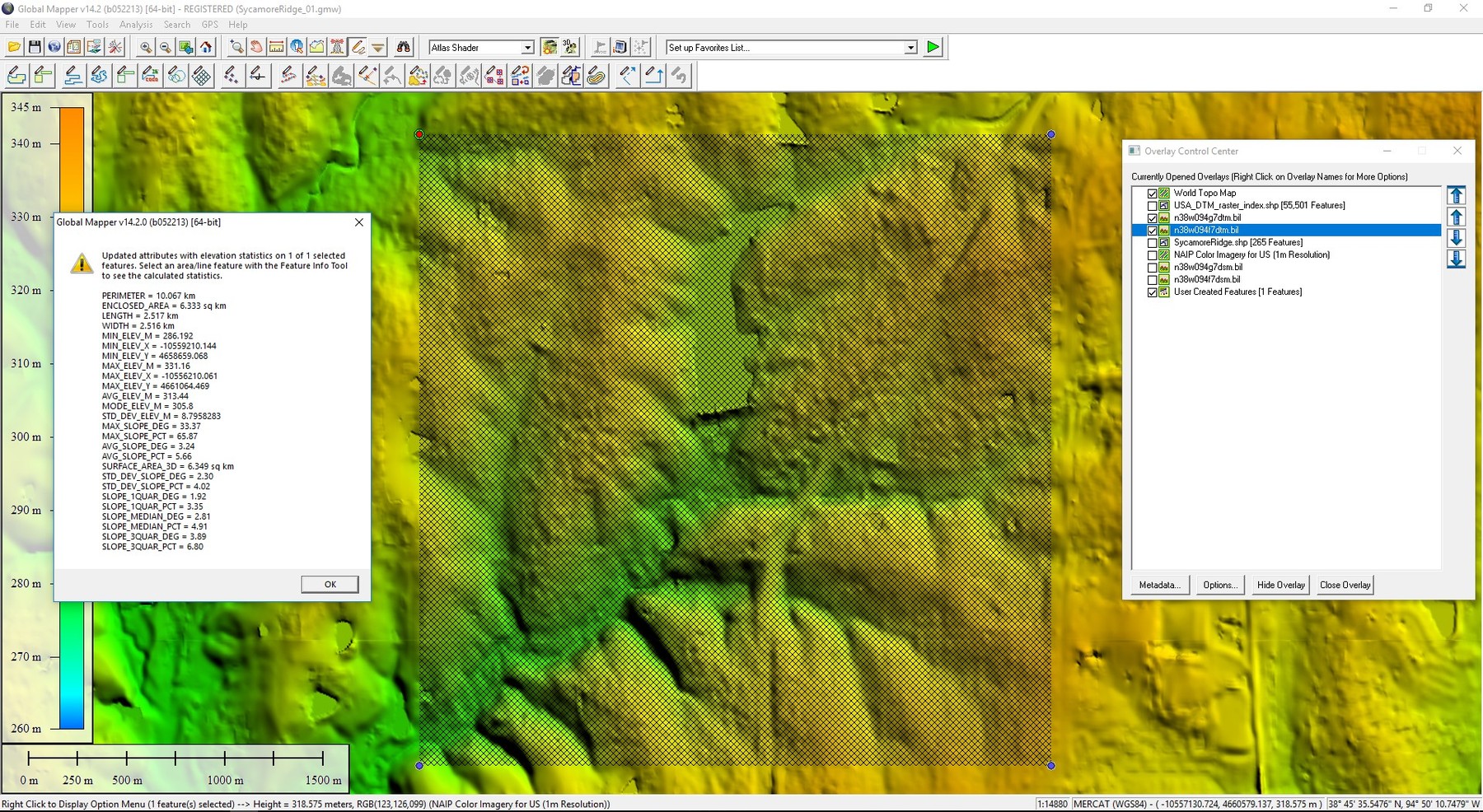
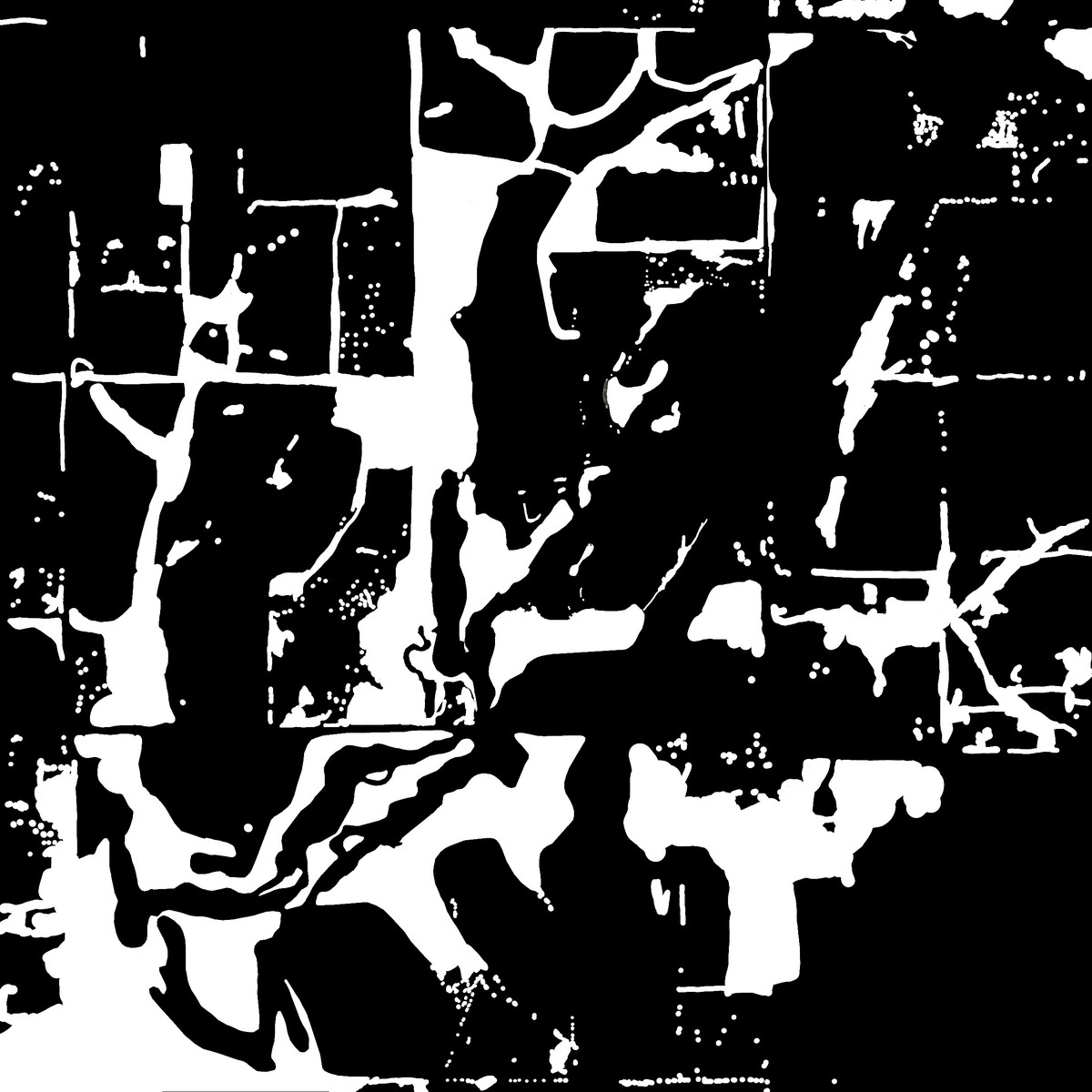
Elevation and course shapes came out of Global Mapper. The shapes became masks for fairways, greens, bunkers and trees. World Creator turned the elevation into terrain, and Unreal dressed it using the masks.

Unreal to Unity
The pitch ran in Unreal Engine. The product moved to Unity, mainly for performance on phones and to fit the development team we had.
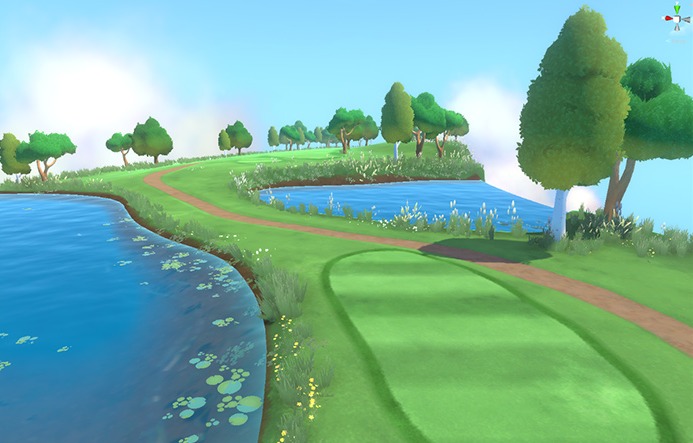
The look changed with it. I managed an outside concept artist to set a stylized direction, then an outside asset studio that built the biome art to those targets.
Course generation
A hand-built demo proves an idea. A product needed every course, so I built the original course-generation process in Houdini.
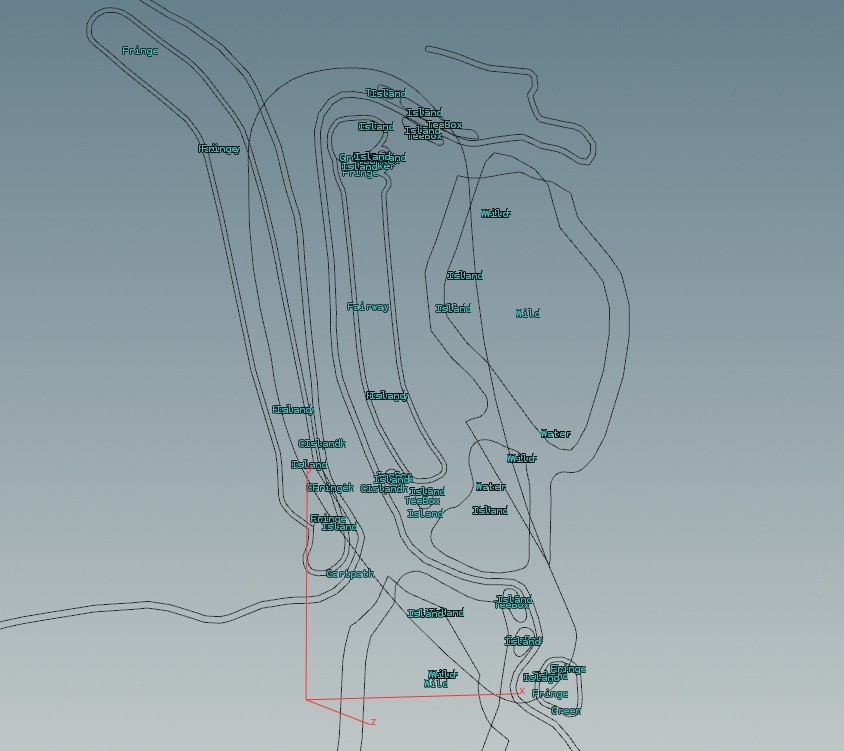
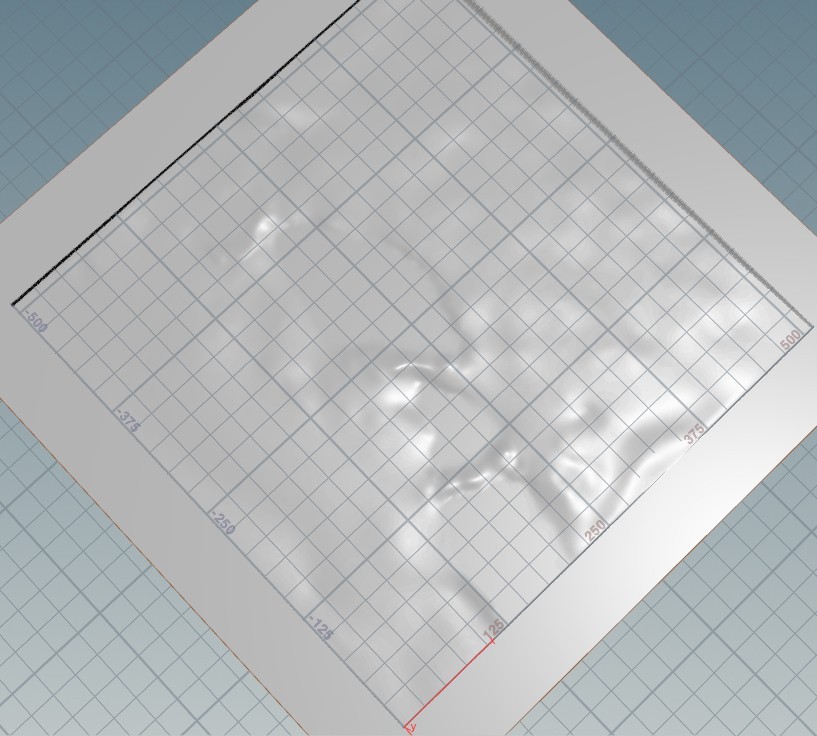
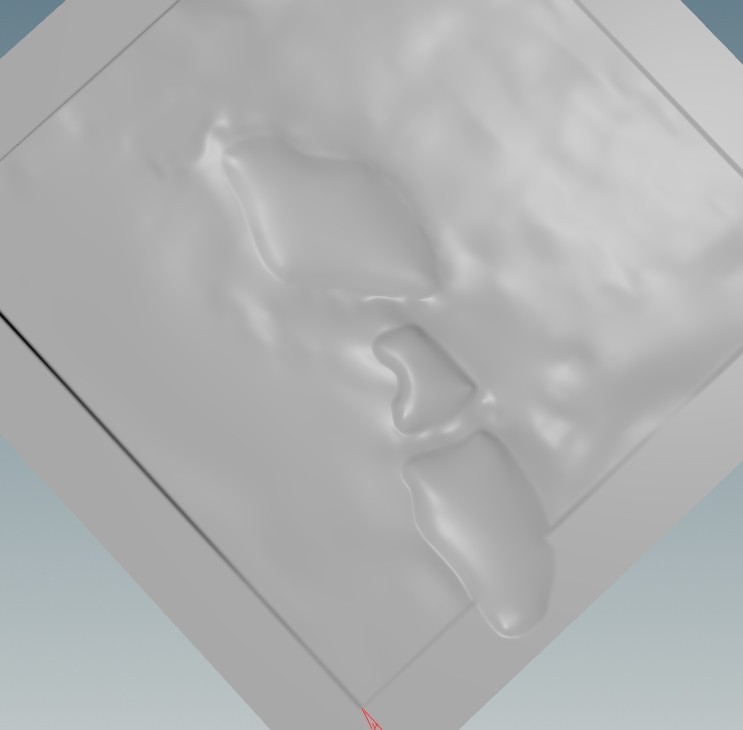
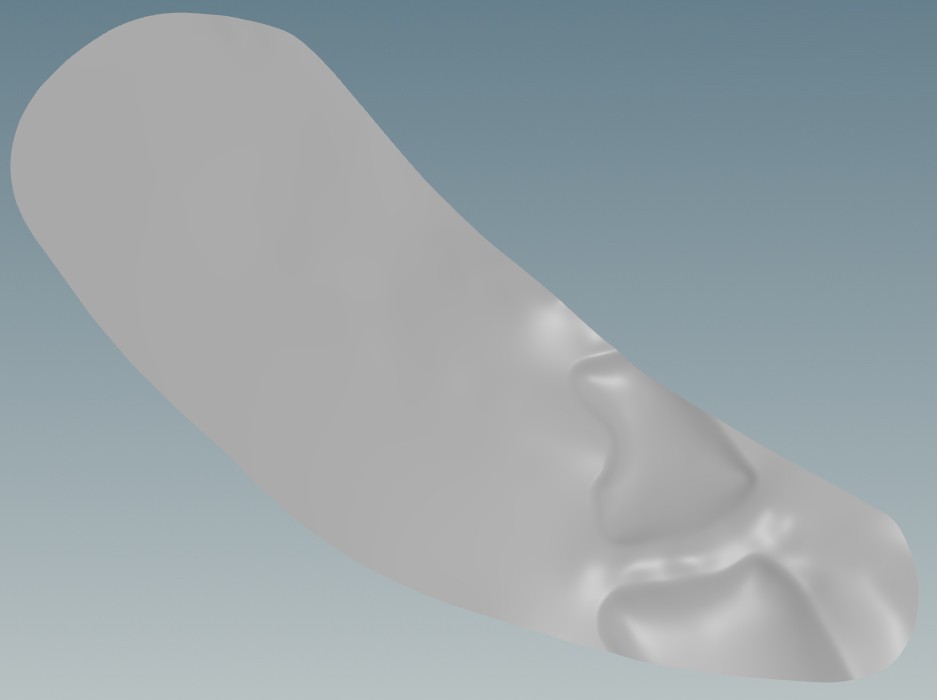
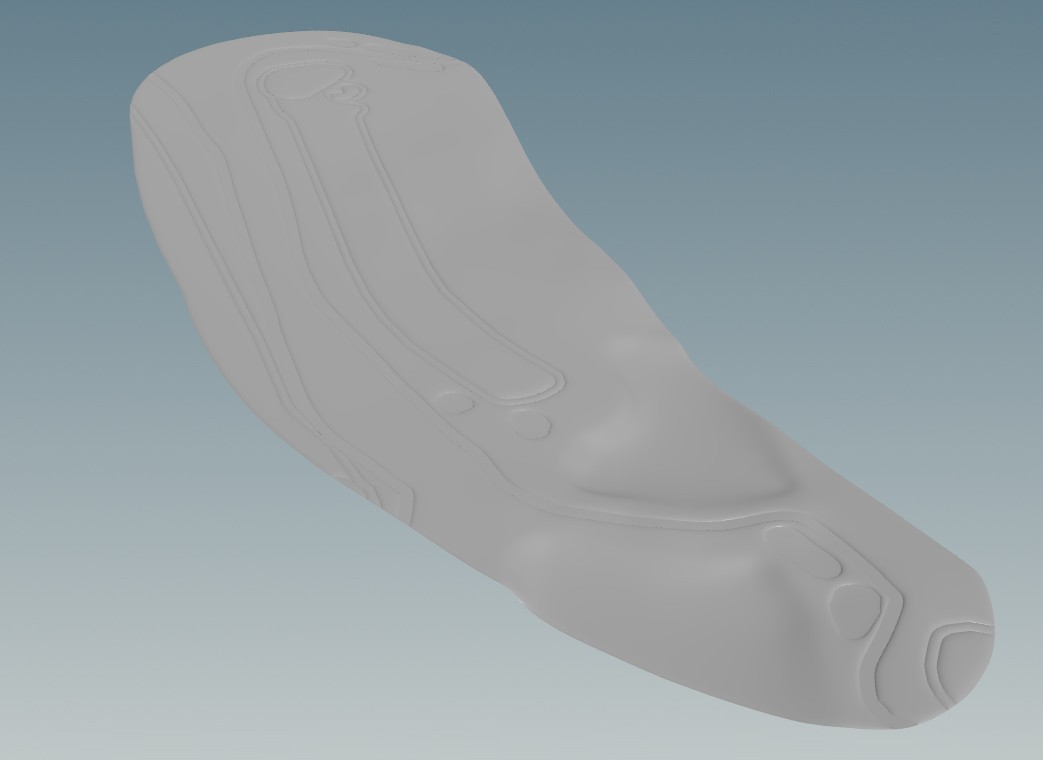
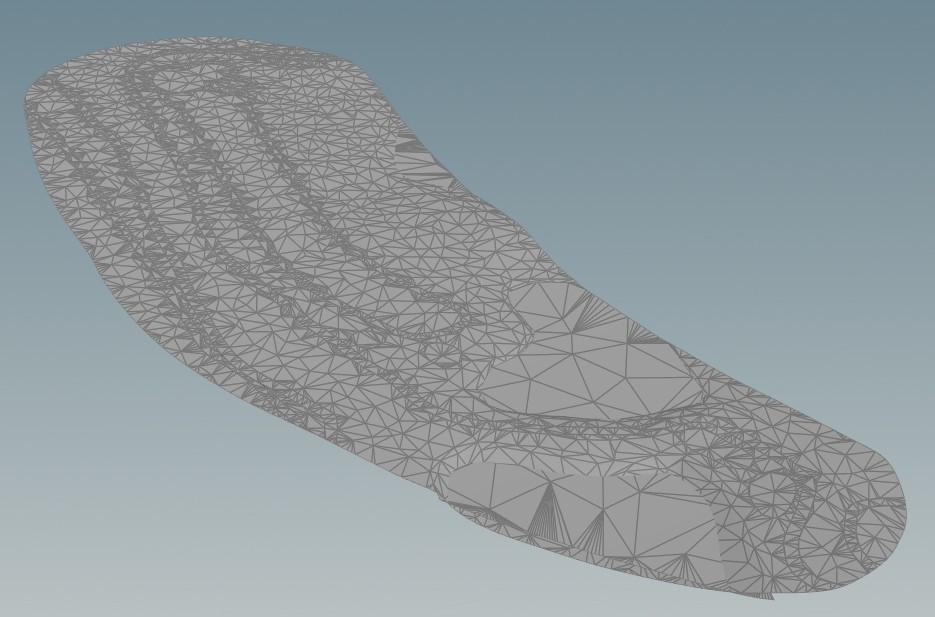
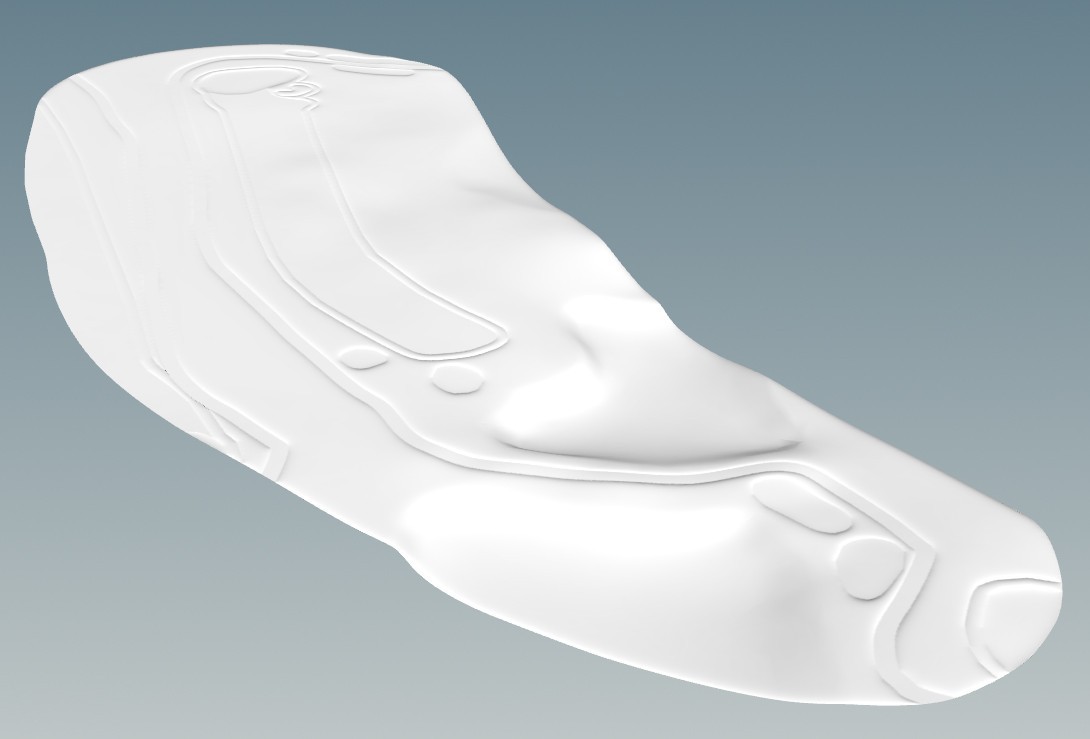
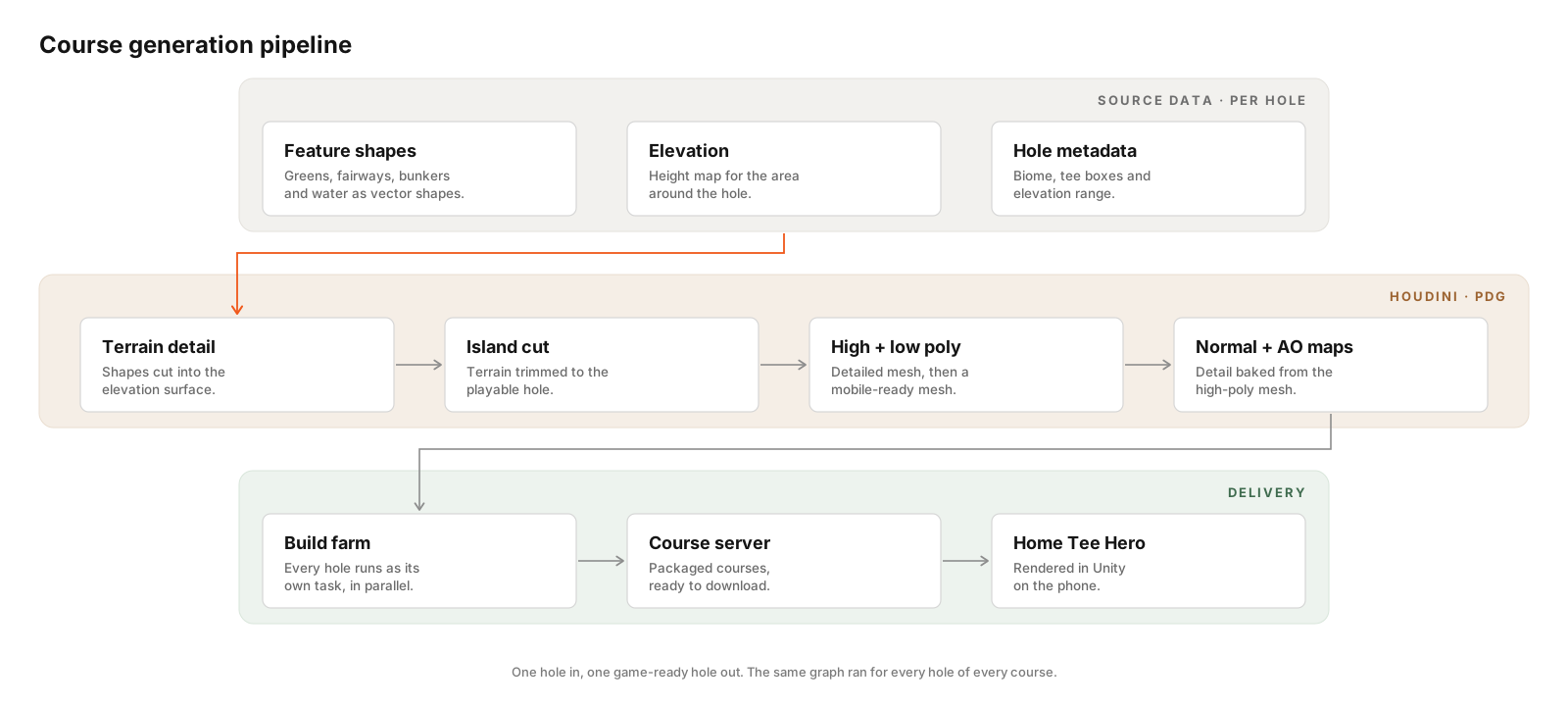
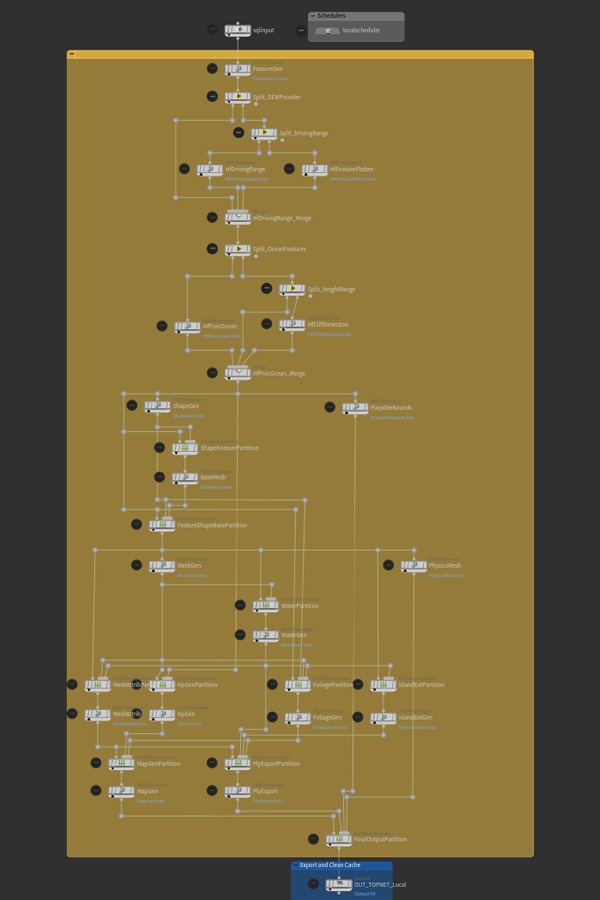
Each hole starts as three files: feature shapes, an elevation map and a metadata file. Houdini cuts the shapes into the terrain, trims the result into an island, builds a detailed mesh and a mobile-ready one, and bakes the detail into normal and ambient-occlusion maps.
At scale
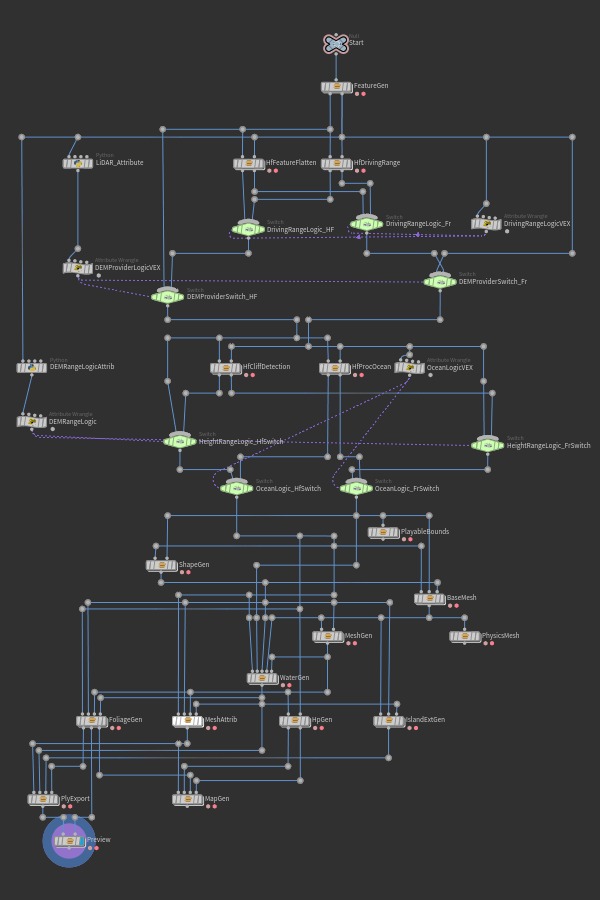
One hole is a recipe. Forty-two thousand courses is a factory. I packaged each operation as a Houdini digital asset and drove them with PDG, so every hole of every course became its own task on a build farm.
With a core team of fewer than five, we shipped about 42,000 real-world golf courses, about 750,000 playable holes.
Running this needed a render farm. I specified the machines, IT helped with the initial setup and the cartography team stood it up. Their map technology group then built the back-end tools that run the Houdini jobs on the farm, in C# and Hython, and they did it well.
In the game
Houdini supplies the geometry and data for each hole. Unity skins and renders it.
Result
- About 42,000 real-world golf courses shipped, about 750,000 playable holes.
- Built by a core team of fewer than five.
- The course-generation process I built carried forward into version two.